You’ve probably heard that water is vital, but during a workout, it’s more than that—it’s your body’s energy carrier. When you exercise, your body heats up and cools itself through sweat. That sweat isn’t just water leaving your body; it’s a mix of water and minerals. Losing too much of it without proper replacement can quickly drain your energy and focus.
Dehydration during workouts can cause your heart rate to spike, your muscles to cramp, and your endurance to drop. It can even make you feel dizzy or confused if you push too hard without fluids. Staying hydrated isn’t about chugging water all at once; it’s about timing, balance, and listening to your body.
Preparing Before You Sweat
Good hydration begins long before you lift a weight or start a run. According to experts at the Mayo Clinic and the American College of Sports Medicine (ACSM), your body absorbs and balances fluids slowly throughout the day. That means sipping water regularly is more effective than drinking a lot all at once.
Try having a glass of water with every meal and keep a bottle nearby to take small sips between tasks. About two to three hours before exercising, drink one or two glasses of water. This gives your body enough time to absorb the fluid and distribute it through your system. Then, around 15 to 20 minutes before you begin, drink another half to one cup of water to freshen up your hydration level before your muscles start working hard.
Staying Hydrated While Training
Once your workout begins, your body’s demand for fluid rises. The amount you need depends on how much you sweat, the temperature, and how intense your session is. If you’re doing a short or moderate workout—say under an hour—plain water will usually do the trick. It keeps your blood flowing smoothly, helps your heart pump efficiently, and keeps your energy levels steady.
During longer or high-intensity workouts, especially in hot or humid environments, you lose electrolytes along with water. Electrolytes like sodium, potassium, and magnesium help your muscles contract, and your nerves send signals properly. If you lose too much through sweat, you might start feeling tired or get muscle cramps. That’s when an electrolyte drink or powder can help balance things out.
Sports medicine specialists at Johns Hopkins Medicine recommend sipping fluids every 15 to 20 minutes during long workouts. You don’t have to drink much—just a few mouthfuls is usually enough to replace what you lose through sweat. The key is consistency.
What To Drink And What To Skip?

For most people, plain water is the best hydration choice. It’s simple, calorie-free, and exactly what your body needs. Sports drinks can be useful during long training sessions or endurance activities, but they often contain added sugar. If you’re doing a moderate workout, you don’t need those extra calories.
You can also hydrate naturally through foods. Fruits and vegetables such as oranges, cucumbers, watermelon, and spinach contain high water content and useful minerals. Adding them to your meals supports your hydration without relying only on drinks. Smoothies, soups, and yogurt-based snacks also help top up fluids after exercise.
And here’s a myth worth clearing up—coffee or tea in moderate amounts won’t dehydrate you. Research shows that caffeine causes only a mild increase in urine output, not enough to cancel out its fluid content. So if you enjoy a cup before your workout, it’s fine—just remember to drink water during the day as well.
Refueling After Your Workout
Once your workout ends, your body needs time to recover and rebuild. That process depends heavily on water. Fluids help transport nutrients to your muscles and flush out waste created during exercise. Experts at the CDC recommend rehydrating within an hour after finishing your session.
Water is perfect for most people, but if you’ve sweated heavily or exercised in the heat, adding electrolytes can speed up recovery. A simple way to check your hydration status is to look at your urine color. Pale yellow means you’re well hydrated; darker shades suggest you need more water.
Some athletes also weigh themselves before and after training to estimate fluid loss. Every pound of body weight lost roughly equals about two cups of water that should be replaced gradually over the next few hours.
Avoiding Common Hydration Mistakes
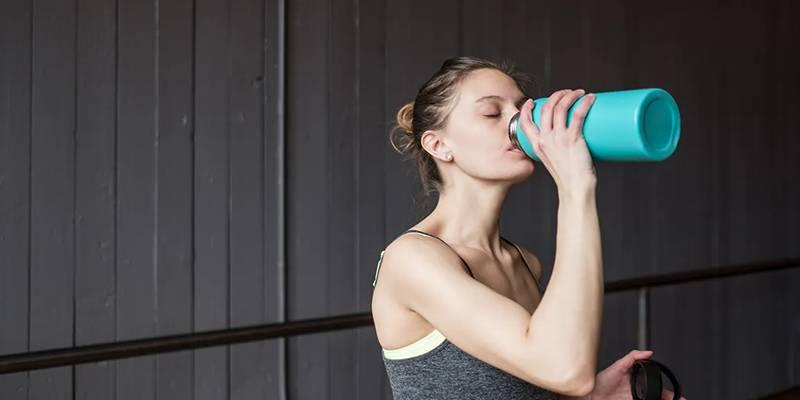
One of the biggest mistakes people make is waiting until they feel thirsty to drink. Thirst is actually a delayed signal—by the time it kicks in, you’re already mildly dehydrated. Instead, keep a steady drinking pattern before, during, and after your workout to stay ahead of the curve.
On the other hand, drinking too much water can also be a problem. In rare cases, people who overdrink plain water without enough electrolytes can develop hyponatremia, a condition where sodium levels in the blood drop too low. It’s uncommon, but it highlights why balance matters—your body needs both fluids and minerals to stay healthy.
Training Smart In Different Conditions
Your surroundings play a big role in how much water you lose. Hot or humid environments make you sweat more, while cold weather can make you underestimate how much fluid you’re losing through breathing and movement. Adjust your drinking habits depending on the setting.
In the heat, drink a bit more before and during your workout, and consider an electrolyte drink if your session runs long. In cooler weather, you might not feel as thirsty, but keep sipping water regularly anyway. Staying consistent helps maintain performance and prevents fatigue.
Clothing can also influence hydration. Tight or heavy gear traps heat, increasing sweat loss. Choosing lightweight, breathable fabrics helps your body cool itself more efficiently, reducing the fluid you lose through sweat.
Conclusion
Dehydration doesn’t just make your workout harder—it can completely derail your progress. But preventing it isn’t complicated. Drink water steadily during the day, top up your fluids before training, sip during your workout, and rehydrate after.
Add electrolytes when you’re exercising longer or in hot conditions, and include water-rich foods in your meals. By treating hydration as part of your training routine, you’ll recover faster, perform better, and feel stronger every time you move.