Across major cities, Chinatowns hold a rhythm of their own. Lanterns swing above narrow alleys, the scent of roasted duck fills the air, and every corner bursts with color and conversation. These places are more than tourist attractions.
They’re living, breathing neighborhoods that keep Chinese heritage alive across borders. From sizzling woks in San Francisco to intricate temples in Bangkok, Chinatowns tell stories of migration, food, and belonging most authentically.
San Francisco
San Francisco’s Chinatown is one of the largest and oldest outside Asia, a landmark that shaped the identity of the city itself. Its Dragon Gate welcomes visitors into a maze of traditional apothecaries, herbal shops, and dim sum restaurants that seem frozen in time yet forever bustling with new life. The neighborhood stretches over 20 blocks, making it a small city within a city.
You can feel the weight of tradition through its daily rhythm—locals queuing for dumplings, fortune cookies being folded by hand, and markets brimming with spices and dried seafood. Even though skyscrapers rise nearby, this part of town clings proudly to its roots, proving that history and modernity can share the same street corner.
London
Right in the heart of London’s Soho, the city’s Chinatown glows in crimson tones day and night. From Gerrard Street to Newport Place, its gateways mark a small but mighty neighborhood bursting with Chinese bakeries, Cantonese eateries, and bubble tea shops that draw crowds from all corners.
During the Lunar New Year, the area transforms completely. Thousands gather under paper dragons, street performances fill the air, and the sound of drums echoes through the tight streets. What makes this Chinatown special isn’t just its food—it’s the way it brings a sense of celebration to an otherwise reserved city. It’s where East meets West over plates of steaming noodles and sesame buns that disappear faster than you can photograph them.
Bangkok
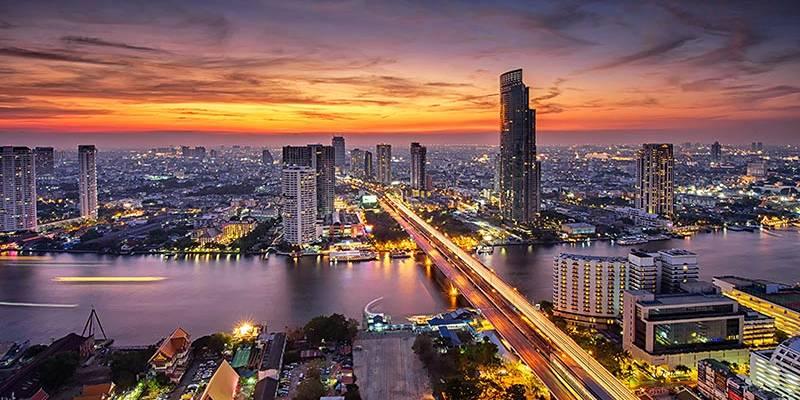
Yaowarat, Bangkok’s Chinatown, is a place where tradition thrives amid organized chaos. At night, its streets light up with neon signs and food stalls that stretch endlessly. Locals and travelers alike weave through the crowd, drawn to sizzling woks, grilled seafood, and endless varieties of noodles.
The scent here is unmistakable—part garlic, part soy sauce, part history. You’ll find gold shops next to temples, fruit stalls beside teahouses, and a constant hum of energy that never really fades. Bangkok’s Chinatown feels like the beating heart of the city, a place that never sleeps and never stops surprising those who wander through it.
New York City
New York’s Chinatown, centered around Mott and Canal Streets, carries the pulse of constant motion. It’s busy, loud, sometimes chaotic, but always full of life. With more than a hundred thousand residents, it’s one of the largest Chinese communities outside Asia.
Street vendors sell everything from lucky bamboo to hand-pulled noodles, and tucked-away dumpling shops fill up faster than office lunch breaks. Its character comes from contrast—ancient traditions sitting beside sleek cafés and modern art galleries. This mix makes it one of the most dynamic Chinatowns, adapting constantly while holding tight to family-run businesses that have been there for decades.
Singapore
Singapore’s Chinatown is a perfect snapshot of how heritage can thrive amid a futuristic skyline. Clean streets, colorful shophouses, and ornate temples create a seamless blend of old and new. Pagoda Street, in particular, feels like a journey through time—with restored 19th-century buildings now hosting tea shops, calligraphy stores, and street food stalls.
Even though the city is known for efficiency and order, this area still feels human, personal, and full of flavor. Locals gather for meals at hawker centers, where one can taste everything from Hainanese chicken rice to chili crab. Here, every bite feels like a story handed down through generations, told over plastic tables with laughter and spice.
Melbourne
Melbourne’s Chinatown, stretching along Little Bourke Street, stands as one of Australia’s most recognizable cultural spots. It’s the oldest continuous Chinatown in the Southern Hemisphere, filled with family-owned restaurants, dumpling houses, and hidden basement eateries that hum late into the evening.
Beyond food, its charm lies in the community it sustains. Students, artists, and families all find comfort here, surrounded by the warm glow of neon lights and the comforting sound of clinking chopsticks. Every doorway hides something—be it a handmade craft shop, a herbal medicine store, or a dumpling spot that regulars guard like a secret.
Vancouver
Vancouver’s Chinatown is among North America’s most culturally significant enclaves. Ornate gates mark its entrance, but what lies inside is even more special—a mix of Chinese bakeries, tea shops, and long-standing family businesses that have been around for over a century.
While newer generations have moved into modern neighborhoods, many still return here for festivals, mooncakes, and community events. The Dr. Sun Yat-Sen Classical Chinese Garden offers a quiet retreat from the city noise, reminding everyone that cultural heritage is not something you visit—it’s something you live and carry forward.
Manila
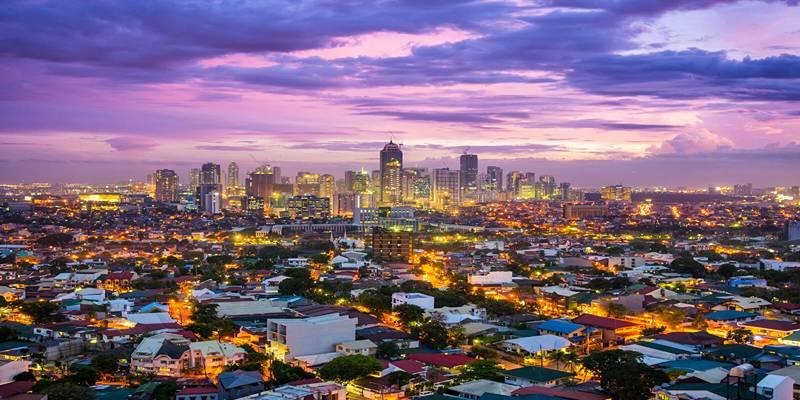
Binondo in Manila is often considered the oldest Chinatown in existence. But don’t expect it to feel ancient or distant. It’s alive, busy, and colorful, pulsing with jeepneys, markets, and street vendors calling out their daily specials.
People come here for more than just food—they come for a sense of connection. From family-run bakeries that have served for generations to temples tucked between grocery stores, the area reflects Manila’s welcoming character. It’s not just a tourist stop; it’s a slice of everyday life, painted in red and gold.
Conclusion
Chinatowns around the globe are not just clusters of restaurants or souvenir stalls—they’re living memories of migration, perseverance, and cultural pride. Each has its own flavor, sound, and rhythm, yet all share a sense of connection that transcends borders.
Whether it’s the lantern-lit streets of Bangkok or the hidden dumpling corners of Melbourne, these neighborhoods remind us that culture isn’t confined to where we’re born. It travels, adapts, and continues to thrive—one bowl of noodles and one story at a time.