Growing older often brings comfort, wisdom, and a few extra challenges. Many seniors prefer to stay in their own homes, surrounded by familiar things and routines. Living alone can feel peaceful, but it also means managing tasks that may become harder with age. Remembering medications, calling for help quickly, or staying socially connected can be tricky. Thankfully, modern technology has stepped in to make independent living safer and more enjoyable.
Today’s technology is designed with simplicity in mind. Big screens, clear voices, and easy buttons mean you don’t have to be a tech expert to use them. These tools don’t take away independence—they help protect it.
Emergency Alert Systems For Peace Of Mind
One of the most practical tools for seniors living alone is an emergency response system. These devices are usually worn like a necklace or wristband. With one press of a button, you can connect directly to emergency help if something happens.
Many models today can detect a fall automatically and call for help even if you can’t reach the button. Knowing that help is only seconds away gives both seniors and their families a deep sense of safety and confidence.
Smart Medication Reminders To Stay On Track
Taking several pills each day can become confusing, especially when timing matters. Smart pillboxes and reminder apps help prevent mistakes. They can beep, light up, or send a gentle alert when it’s time for your medicine. Some even send a message to a caregiver if a dose is missed.
These small devices take away the stress of keeping track of schedules, allowing seniors to focus more on enjoying their day. This simple routine can mean the difference between worry and peace of mind when managing health.
Voice-Activated Assistants That Simplify Daily Tasks
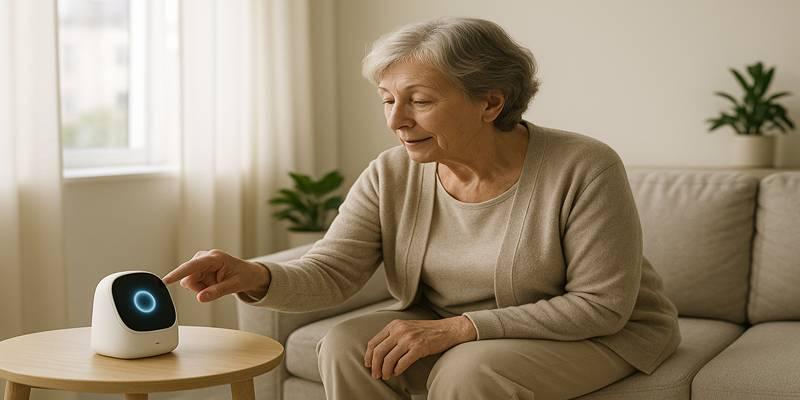
Voice-controlled devices are changing how seniors interact with their homes. You can simply speak to turn on lights, adjust the thermostat, make a call, or set a reminder. These devices can even read the news or play favorite songs.
For older adults with limited mobility, this technology reduces the need to get up and move around unnecessarily, keeping daily routines comfortable and safe. It gives a quiet sense of control back to those who wish to handle daily life on their own terms.
Staying Connected Through Easy Communication Tools
Social connection is just as important as physical safety. Tablets and smartphones now have simple, senior-friendly designs that make video calls, photo sharing, and texting easy. Seeing family faces and hearing familiar voices can lift spirits instantly.
Staying in touch helps fight loneliness and keeps the mind active and engaged. Regular communication adds joy to daily life and strengthens bonds, even when distance keeps loved ones apart. Every call or message brings a bit of warmth that turns a quiet home into a lively one.
Wearable Health Trackers For Ongoing Care
Wearable devices have become reliable health partners for older adults. Modern trackers monitor heart rate, sleep, and activity throughout the day. Some can even detect if you’ve fallen or if your heart rhythm changes suddenly.
These gadgets can send alerts to family or healthcare providers, ensuring that help comes quickly if something looks unusual. Having a health tracker is like having a personal assistant that keeps quiet watch over your well-being.
Telehealth For Easy Medical Consultations
Gone are the days when every doctor visit required a car ride and a waiting room. With telehealth, seniors can meet their doctors through a video call right from their couch. This is especially useful for people with mobility issues or chronic conditions.
Routine check-ups, medication renewals, and follow-ups can all happen safely from home. It’s a time-saver and removes much of the stress of medical appointments. Many older adults say this convenience helps them stay consistent with their care and feel closer to their doctors.
Smart Home Safety Devices For Daily Comfort
Technology inside the home can make a huge difference in safety. Smart lighting that turns on automatically when you enter a room helps prevent trips and falls. Doorbell cameras let you see visitors before opening the door. Motion sensors and smart locks add an extra layer of protection.
Some systems even send alerts if smoke, gas, or leaks are detected. These quiet helpers work behind the scenes to keep the home safe and comfortable. Even small upgrades like these can make a house feel safer without changing its familiar comfort.
Mind And Memory Apps To Stay Mentally Active
Technology is also great for keeping the brain healthy. There are many apps designed to sharpen memory, focus, and attention through fun games or puzzles. Others offer guided relaxation sessions or soft background music to ease stress.
Staying mentally engaged each day keeps the mind alert and gives structure to the day. It’s a simple way to make sure each day feels purposeful and satisfying.
Social Robots As Companions For Seniors
Some new technologies take companionship to another level. Social robots are designed to talk, play music, remind you of appointments, and even help you make video calls. They can’t replace human contact, but they can fill quiet moments and bring warmth to the home.
Many seniors enjoy chatting with their digital companions, which often helps reduce feelings of loneliness and keeps spirits high. The friendly presence of such a companion can turn a silent room into a cheerful space filled with laughter and light.
Learning And Adapting To New Technology

Adopting new technology can feel intimidating at first, but it becomes easier with a little practice. Community centers, senior groups, and libraries often offer classes to teach basic tech skills like using smartphones, tablets, or computers.
Family members can also help with setup and troubleshooting. The more time spent exploring these tools, the more comfortable and confident seniors become. Every new skill learned adds another layer of independence and self-confidence.
Conclusion
Technology has become a quiet companion for many seniors who wish to live on their own. From emergency buttons to voice assistants and health trackers, each innovation adds comfort, safety, and freedom. What once seemed complicated is now simple and friendly.
With a bit of patience and curiosity, seniors can discover how these tools make life smoother and more joyful. Living independently doesn’t have to mean being alone—technology makes sure of that.