Cleaning the house is more than a routine task; it is a responsibility that helps create a safe, healthy, and comfortable environment for every family member. Homes are places where people rest, learn, and grow, and the habits formed inside them often influence long-term well-being. Because cleaning involves physical effort as well as the use of various products, safety should always be a priority. Simple practices, applied consistently, can help prevent accidents, reduce health risks, and maintain a fresh living space. Understanding basic house cleaning safety tips allows families to clean with confidence and care.
Be Mindful When Using Cleaning Products
Most cleaning products contain chemicals that are effective but require careful handling. Children and adults alike may not always recognize potential hazards, especially when strong odors or fumes are not immediately noticeable. Reading labels, following usage instructions, and storing products properly can help prevent irritation, respiratory issues, or accidental ingestion.
Manufacturers often recommend proper ventilation, correct dilution, and avoiding the mixing of certain substances. Following these guidelines makes cleaning safer and more effective. Awareness of product instructions serves as an important protective measure in everyday home care.
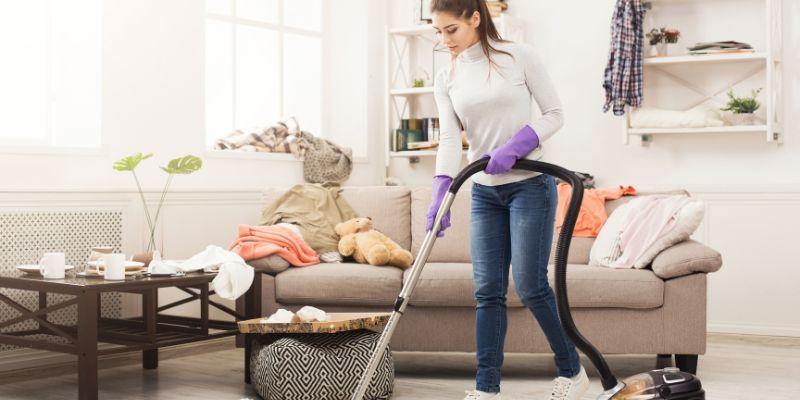
Ensure Good Ventilation While Cleaning
Fresh air plays a key role in maintaining a safe cleaning environment. Strong cleaning agents can release fumes that cause headaches or discomfort, particularly in small or enclosed spaces. Opening windows, turning on fans, or keeping doors open allows air to circulate and helps reduce exposure to odors and chemicals.
Good ventilation also supports overall home cleanliness by limiting dust buildup and maintaining balanced moisture levels throughout the house.
Wear Appropriate Protective Gear
Using protective gear for everyday cleaning may seem unnecessary, but it can prevent skin irritation and accidental exposure. Gloves protect hands from harsh chemicals, while masks can help those who are sensitive to dust or strong smells. In some situations, protective eyewear can prevent discomfort caused by splashes.
These simple precautions reduce the risk of injury and make cleaning more comfortable, especially for individuals who clean frequently or have sensitive skin.
Keep Cleaning Products Out of Children’s Reach
Homes with children require extra caution. Curious hands may open cabinets or explore unfamiliar containers without understanding the risks involved. Cleaning products should be stored in locked cabinets or placed on high shelves, well out of reach. Child-resistant caps and proper storage practices help create a safer home environment.
Even products that seem mild can pose risks if accidentally touched or ingested. Safe storage offers peace of mind for parents while protecting young family members.
Never Mix Cleaning Chemicals
Not all cleaning products can be used together safely. Mixing certain chemicals, such as bleach and ammonia, can produce toxic fumes that irritate the eyes, nose, and lungs. Even mild cleaners may react unpredictably when combined.
To reduce risk, use one product at a time and rinse surfaces thoroughly between applications. Understanding how different substances interact is an essential part of responsible home cleaning.
Handle Cleaning Tools and Equipment Safely
Many common cleaning tools—such as ladders, vacuum cleaners, and mops—require careful handling. Unstable stools, tangled cords, or slippery handles can all contribute to household accidents. Ensuring that equipment is sturdy, well maintained, and used correctly helps prevent injuries.
Checking cords before use, selecting reliable tools, and storing equipment properly can turn routine cleaning tasks into a much safer process for the entire family.
Keep Floors Dry and Slip-Free
Wet floors are one of the most common causes of household accidents. Spills, freshly mopped surfaces, or leftover cleaning solutions can make floors unexpectedly slippery. Drying floors promptly, alerting family members, or using absorbent mats can significantly reduce the risk of falls.
This simple practice creates a safer environment for everyone, especially children and older family members who may be more vulnerable to injury.
Organize Cleaning Supplies to Reduce Hazards
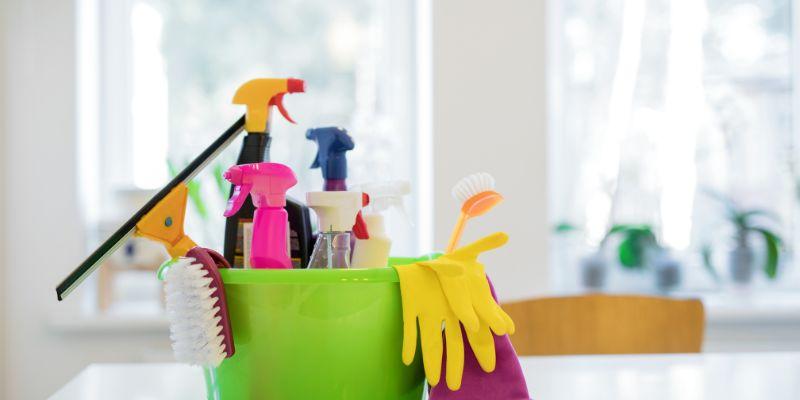
Well-organized cleaning spaces reduce clutter and make tasks easier to manage. When brushes, sprays, cloths, and tools are stored neatly, the risk of tripping, spilling, or knocking items over is reduced.
Using labels, baskets, or storage containers helps maintain order and allows family members to find what they need quickly. An organized cleaning area also reduces stress and supports safer routines.
Dispose of Cleaning Waste Properly
Waste generated during cleaning, such as used cloths, empty chemical containers, and worn sponges, should be disposed of according to proper guidelines. Some products need to be sealed before disposal, while others should be rinsed first.
Proper waste disposal keeps potentially harmful materials out of the home and protects children, pets, and the environment from unnecessary exposure.
Practice Mindful Awareness While Cleaning
Safe cleaning starts with awareness. Paying attention to surroundings helps prevent spills, injuries, and other accidents. Taking time to identify potential hazards—such as sharp objects, broken items, or uneven surfaces—makes the cleaning process safer.
Mindful cleaning also encourages good habits. Families become more aware of early signs of damage, clutter, or moisture, allowing issues to be addressed before they turn into larger problems.
Conclusion
House cleaning may seem simple, but it plays an important role in maintaining a safe and healthy home. By using products responsibly, ensuring proper ventilation, storing supplies carefully, and cleaning with awareness, families can reduce risks and support long-term well-being. These house cleaning safety tips help protect against accidents while creating a home environment that feels fresh, secure, and comfortable day after day.