The holiday season is commonly associated with celebration, travel, and time spent with others. While these experiences often feel positive and meaningful, they also introduce health risks that are easy to overlook. Changes in routine, increased social interaction, environmental hazards, and emotional demands can affect physical and mental well-being in subtle but significant ways. Many people focus on visible concerns such as cold weather or seasonal illness, yet less obvious factors often contribute to health strain during this period.

Understanding holiday health risks allows individuals to respond with awareness rather than reaction. By recognizing how daily habits, environmental conditions, and emotional pressures shift during the season, people can make informed decisions that support safety and stability. Seasonal health concerns do not require avoiding celebration, but they do benefit from thoughtful attention and moderation.
Increased Risk of Illness and Infection
One of the most common health risks during holidays involves increased exposure to illness. Gatherings, travel, and crowded indoor spaces create conditions where viruses spread more easily. Colder temperatures encourage people to spend more time indoors, often in poorly ventilated areas, which further increases transmission risk.
Immune function can also be affected by lifestyle changes during this period. Reduced sleep, elevated stress levels, and irregular eating patterns may weaken the body’s ability to fight infection. Seasonal health concerns such as respiratory illness often become more noticeable when preventive habits like hand hygiene, hydration, and rest are disrupted.
Holiday wellness awareness includes recognizing that illness risk is influenced not only by exposure but also by the body’s resilience. Supporting immune health through consistent routines helps reduce vulnerability during busy periods.
Changes in Eating and Physical Activity Patterns
Holiday schedules often disrupt established eating and movement habits. Meals may become larger, richer, or more frequent, while regular meal timing is often lost. Reduced physical activity is also common due to travel, weather conditions, or packed schedules. These changes can affect digestion, energy levels, and metabolic balance.
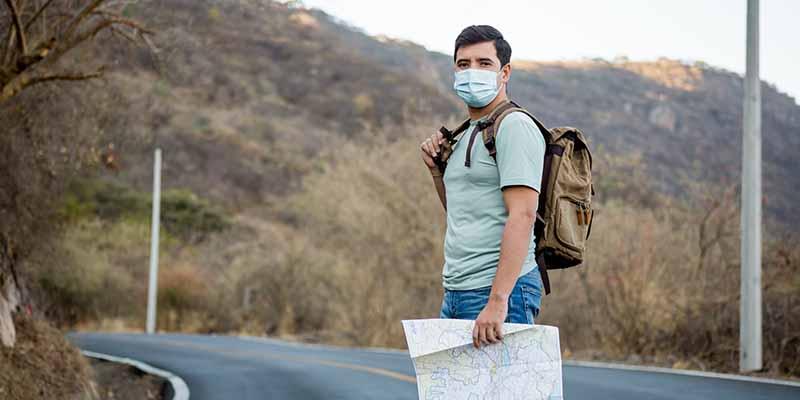
For people managing chronic conditions such as diabetes, cardiovascular concerns, or digestive issues, these disruptions may have more pronounced effects. Sudden changes in blood sugar levels, hydration status, or physical activity can create discomfort or increase health risks during holidays.
Holiday health risks are often cumulative rather than immediate. Small daily disruptions, when sustained over several weeks, can strain the body and affect overall well-being. Awareness allows individuals to make small adjustments that support balance without eliminating enjoyment.
Heightened Emotional and Mental Health Strain
Emotional stress is a significant but often underrecognized component of seasonal health concerns. Financial pressure, social expectations, family dynamics, and time constraints can increase anxiety and emotional fatigue. Cultural messaging around constant happiness may also discourage honest acknowledgment of stress, grief, or loneliness.
Shorter daylight hours during winter months can affect mood and energy levels. Reduced sunlight exposure may contribute to emotional changes that are difficult to identify but impactful over time. Holiday wellness awareness includes paying attention to emotional signals such as irritability, withdrawal, or persistent fatigue.
Ignoring emotional strain can increase vulnerability to physical illness, sleep disruption, and burnout. Recognizing emotional health as part of overall well-being supports healthier responses during demanding periods.
Sleep Disruptions and Fatigue
Sleep quality often declines during the holiday season. Late nights, travel across time zones, irregular schedules, and social commitments can interfere with normal sleep patterns. Even short-term sleep disruption affects concentration, reaction time, immune function, and emotional regulation.
Fatigue increases the likelihood of accidents, reduces patience, and makes stress harder to manage. Winter health safety includes protecting sleep as a foundational element of health rather than viewing rest as optional.
Maintaining consistent sleep routines whenever possible supports resilience. Even partial protection of sleep habits can reduce the cumulative effects of fatigue and support clearer decision-making throughout the season.
Cold Weather and Environmental Hazards
Environmental conditions introduce additional holiday health risks that extend beyond illness. Cold temperatures increase the risk of hypothermia and frost-related injury when appropriate clothing is not used. Slippery sidewalks, icy roads, and reduced daylight increase the likelihood of falls and transportation-related accidents.
Indoor heating systems can dry out airways and skin, leading to discomfort, respiratory irritation, or increased susceptibility to infection. Poor air circulation may also exacerbate respiratory conditions.
Winter health safety involves adapting to environmental conditions with awareness. Simple precautions, such as dressing appropriately, allowing extra travel time, and maintaining indoor air quality, support physical safety during colder months.
Overlooked Medication and Health Management Issues
Busy schedules can interfere with routine health management. Missed medication doses, delayed refills, or postponed appointments are common during the holiday season. These disruptions may create complications, especially for individuals managing chronic conditions.
Travel can also affect medication storage, timing, and availability. Changes in time zones or daily routines may lead to unintentional dosing errors. Seasonal health concerns include recognizing that consistency in health management remains essential even during periods of celebration.
Holiday wellness awareness includes planning ahead to maintain medication routines and addressing health needs proactively rather than reactively.
Cumulative Effects of Stress and Disruption
One of the most overlooked aspects of holiday health risks is their cumulative nature. Rarely does a single event cause significant harm. Instead, repeated disruptions to sleep, nutrition, emotional balance, and routine gradually strain the body and mind.
Seasonal health concerns often emerge when individuals ignore early signs of fatigue or stress. Recognizing patterns rather than isolated moments allows for more effective self-care and prevention.
Holiday wellness awareness emphasizes observation and adjustment rather than perfection. Small, consistent efforts to restore balance reduce long-term strain.
Practical Steps to Reduce Holiday-Related Health Risks
Helpful steps to reduce holiday-related health risks include:
- Maintaining regular hydration and balanced meals
- Protecting sleep routines whenever possible
- Dressing appropriately for cold weather conditions
- Managing stress through realistic scheduling
- Staying current with medications and health needs
These actions support winter health safety while allowing continued participation in holiday activities. Preventive care during this season is about moderation and consistency rather than restriction.
Supporting Health Without Limiting Celebration
Health awareness does not require withdrawing from holiday traditions. Instead, it encourages intentional participation. Choosing rest when needed, planning ahead for health needs, and responding early to warning signs support both enjoyment and safety.
Seasonal health concerns are best managed through balance. When individuals respect physical and emotional limits, they are better able to engage meaningfully with others and maintain well-being.
Final Thoughts
Unexpected health risks during the holiday season often arise from routine changes rather than dramatic events. Increased exposure to illness, disrupted eating and sleep patterns, emotional strain, environmental hazards, and overlooked health management all contribute to health risks during holidays.
By understanding holiday health risks and responding thoughtfully, individuals can protect physical and emotional well-being while remaining present for seasonal traditions. Holiday wellness awareness supports safer choices, clearer boundaries, and a more sustainable approach to celebration. Awareness, moderation, and preparation help transform a demanding season into one that supports long-term health and stability.