New Orleans gets sold as a party. Bright beads. Loud streets. One long night that never ends. That version is real, but it is not the whole city.
Step off the main strip and the mood changes fast. Mornings feel slow. Front porches become stages. Corner shops smell like fried shrimp and hot bread. Old brick walls hold stories that do not fit on a postcard.
This is the other side of New Orleans. It lives in neighborhoods where people know each other. It shows up in small sounds and small gestures. If you want the city to feel personal, go where the locals still set the pace.
Start Where The Morning Feels Soft
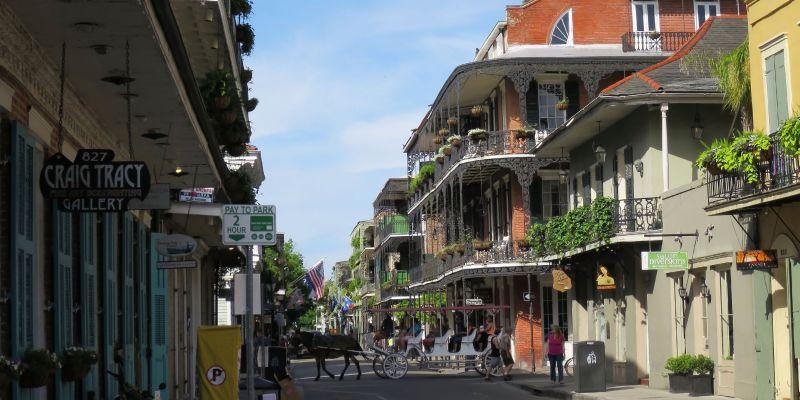
Wake up before the city puts on its loudest outfit. The air sits warm and still. The streets look rinsed clean. You can hear a door shut two blocks away. New Orleans feels like it is stretching, not sprinting. That quiet changes how you see everything after.
Pick a neighborhood and walk with no rush. The Garden District works well for this. So does Faubourg Marigny. You pass iron fences, crepe myrtles, and stoops with yesterday’s cups still on them. A streetcar rattles by, steady and calm, like a metronome.
Stop for coffee and something small. A buttery biscuit. A warm beignet. A simple egg sandwich that drips onto the paper. Sit outside and watch locals head to work. You start to notice the city’s real rhythm, and it feels friendly.
Follow The Sound Past The Big Stages
Music in New Orleans does not wait for night. It shows up early and unannounced. You hear a trumpet warm up through an open window. A drummer taps a beat on a porch rail. It is not a show. It is practice, and it feels honest.
Walk away from the big crowds and listen for the softer pull. Frenchmen Street can be a bridge, but keep moving. Turn down side streets where bars are small, and doors stay open. The music leaks out in thin streams, and you follow it like a trail.
When you find it, do not rush in like a tourist on a mission. Stand for a minute. Let the sound settle on you. Tip the band if you can. Clap when it hits right. This city runs on people who play, and people who notice.
Eat With Your Hands And Your Heart
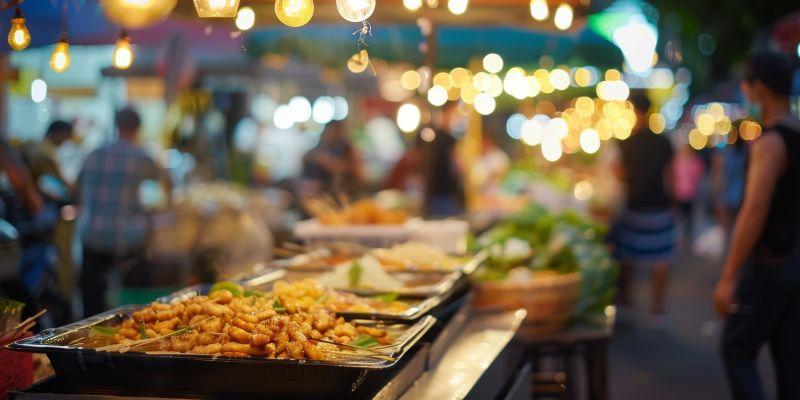
Food here is not a trend. It is a language. It tells you where you are and who built the block. Order a po’boy dressed, and you get more than shrimp and bread. You get crunch, heat, and someone’s pride wrapped in paper.
Look for neighborhood spots that stay busy without a big sign. A corner place with a short menu and a long line. Gumbo that smells like smoke and onions. Red beans that come out thick and dark. Crawfish are in season, spread across a table like a party.
Eat it the right way. With your hands. With napkins that do not stand a chance. Talk to the person behind the counter if they are not slammed. Ask what they would pick today. In New Orleans, the best meal often comes with a quick story.
Let The Streets Teach You The Real History
History in New Orleans does not sit behind glass. It stands on the curb. It hides in chipped paint and leaning balconies. Walk slowly in the Treme, and you feel the weight of stories that still shape the city. Every block looks like it remembers something.
Step into a cemetery and you see the past in plain view. St. Louis Cemetery No. 1 is famous for a reason. So is Lafayette Cemetery No. 1 when it is open. The tombs rise above ground like small houses. The air stays hushed and close.
Look for markers that locals pass every day. A corner where a parade turns. A plaque with names you do not know yet. A school building with storm lines on the brick. The city teaches history through what stayed and what had to be rebuilt.
Meet The People Who Keep It Alive
New Orleans feels real when you stop treating it like a set. Talk to the bartender who knows every regular. Chat with the person selling art on a folding table. Ask the shop owner how long they have been on the block. The answers come quickly and fully.
Watch for the crews that make the streets move. A second-line group gathering before a march. A brass band loading instruments into a car. A seamstress fixing a costume with fast hands. These moments look small, but they hold the city together.
Show respect in simple ways. Learn a name and use it. Tip street musicians who earn your pause. Buy one small thing from a local maker instead of another cheap souvenir. People here carry the culture. When you meet them well, the city opens up.
End At The Waterline When The City Exhales
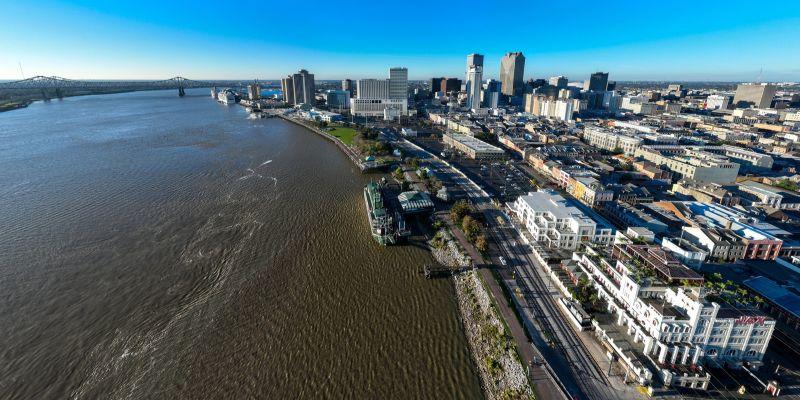
Late daylight changes in New Orleans. The heat eases up. The streets slow down again. Head toward the Mississippi River and find the levee. The city feels wider there. You can breathe deeper as you step out of a crowded room.
Sit near Woldenberg Park or walk the Moon Walk by the French Quarter. Watch the ships slide past, slow and heavy. The river does not hurry for anyone. The air smells like water and rust. The sky goes orange, then soft pink.
Stay a little longer than you planned. Listen to the low hum of traffic behind you. Notice the couples, the runners, the old man with a folding chair. This is New Orleans without a spotlight. It is calm, steady, and still full of soul.
Take The Feeling With You, Not Just Photos
The other side of New Orleans is not a hidden map pin. It is what you notice when you slow down. It is the quiet blocks that feel lived in. It is the music that floats out of a doorway. It is the meals that come wrapped in paper and pride.
This city asks for respect, not attention. Give people space in their own neighborhoods. Listen more than you speak. Tip: When someone gives you art in the street. Spend your money with locals who show up every day.
Leave with one clear goal. Carry the pace with you. New Orleans feels better when you meet it gently. That is how you see the city that lasts.